Every face tells a story. The trick is softening the parts you do not want read at first glance, like the etched frown between your brows or the pleats that bracket your eyes when you smile. Botox skin treatment offers a practical route to smoother skin without surgery, and when it is done with finesse, it looks like you on a good day rather than a different person. I have treated hundreds of faces over the years, and the most satisfied patients are not chasing perfection. They want to erase the look of fatigue, take the edge off hard lines, and keep their expressions natural.
This guide explains how botox works, what makes a good candidate, how dosing and technique shape results, and how to plan a botox procedure that fits both your facial anatomy and your calendar. It also covers real risks, how to avoid the artificial look, and how botox pairs with other treatments for comprehensive skin rejuvenation.
What Botox Actually Does
Botox is the brand name most people use for botulinum toxin type A. In aesthetic medicine, we inject it in tiny doses to relax selected facial muscles. That temporary muscle relaxation softens dynamic lines, the ones that form with repeated expression. Think of botox injections as a way to reduce the muscle’s pull just enough that the skin can lie smoother.
With botox for wrinkles, results show most clearly in three areas: the glabella (frown lines between the brows), the horizontal forehead lines, and the crow’s feet at the outer corners of the eyes. The goal is not to paralyze the face. A skilled injector aims for partial muscle modulation so your expressions look natural, but your resting lines are softened. Patients often call it a botox smoothing treatment or botox wrinkle reduction, and both descriptions hold up if dosing and placement are right.
The effect begins to appear in 2 to Burlington botox 5 days for most people, continues to build for two weeks, and lasts about three to four months. Some see a longer window, especially after consistent treatments. The body metabolizes the product over time, and muscle activity gradually returns.
Myth, Meet Reality: How It Feels and What It Changes
People imagine needles and numb faces. The reality is simpler. The botox procedure uses an insulin-sized needle, and the injection itself takes a few minutes. I often apply a quick ice pack rather than topical anesthetic, which saves time and reduces swelling. Most patients describe the sensation as tiny pinches.
Botox therapy does not change skin texture in the way that lasers, retinoids, or chemical peels do. It does not exfoliate, boost collagen directly, or fill hollow areas. What it does is stop a crease from digging deeper by calming the movement that drives it. That is why it pairs so well with other skin care solutions, like a retinoid for texture and a hyaluronic acid filler for static folds or volume loss. If someone expects botox facial treatment to erase deep grooves caused by volume changes, I guide them toward combination care: botox for muscle-driven lines, fillers for deflation, and energy-based devices or medical-grade skincare for tone and texture.
Who Makes a Good Candidate
A good candidate for botox cosmetic treatment is healthy, not pregnant or breastfeeding, and realistic about what botox can and cannot do. It works best for expression lines, not for laxity or sagging. If you can see your frown lines, forehead lines, or crow’s feet deepen visibly when you animate, you likely have a strong case for botox wrinkle softening.
There is a growing group that seeks botox preventative treatment in their late twenties or early thirties. The aim is to reduce the repetitive folding that eventually becomes etched. In small, strategic doses, preventative botox can slow line formation. The caveat is balance. Over-treating too early can dull expression and shift the burden of movement to untreated muscles, which can create odd patterns. When I supervise preventative plans, I start conservatively, monitor how muscle groups adapt, and keep the face expressive.
The Consultation: Mapping the Face Before the First Drop
A proper consultation does not start with a syringe. It starts with your goals and your baseline muscle pattern. I ask patients to raise the brows, frown, and smile. I watch which fibers dominate, how the brows move, and whether one side overpowers the other. Female and male brows, for instance, require different strategies. A strongly arched brow in a woman might be attractive after botox; the same arch can read surprised in a man. Personalized planning protects against the cookie-cutter look.
We also review medical history: neuromuscular disorders, recent illness, medications that increase bruising, and prior botox aesthetic injections. If someone bruises easily, I suggest pausing fish oil, ginkgo, and unnecessary NSAIDs for a week, with the usual caveat to confirm with their physician. Allergies are rare with modern formulations, but a history of adverse reaction matters.
Dosing conversations are frank. Botox anti wrinkle injections are measured in units. The glabella commonly uses 10 to 20 units, the forehead 6 to 14, and the crow’s feet 6 to 12 per side. Those are typical ranges, not promises. Heavier muscles take more. First-timers often benefit from a staged approach to find the minimum effective dose that achieves smoothing without flattening expression.
What Happens During a Botox Procedure
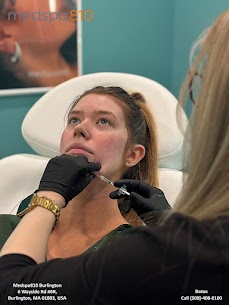
The treatment room should feel professional, efficient, and calm. After cleaning the skin, I mark landmarks lightly, then proceed with botox cosmetic injections using a fine-gauge needle. The technique adjusts for each area:
- Between the brows (glabella), injections target the corrugators and procerus to soften the vertical “11s” without flattening the central brow. On the forehead, injections are shallow and spread, just enough to relax horizontal lines while keeping frontalis support for natural brow height. For crow’s feet, small aliquots temper the orbicularis oculi, smoothing the fan lines but preserving smile sincerity.
The entire botox facial skin treatment usually takes 10 to 15 minutes. I use gentle pressure or an ice pack for any pinpoint bleeding. Patients return to daily life right away, with a few commonsense rules: keep the head upright for a few hours, avoid heavy workouts that day, skip facials or deep massages that botox experts near me could shift the product, and resist rubbing the treated areas.
The First Two Weeks: What to Expect
Day one, you may see tiny blebs or mild redness that settle in minutes to hours. A small bruise can appear, more often near crow’s feet where vessels are delicate. Makeup can be used as soon as the skin is closed, generally within an hour, but I prefer that patients wait a few hours if possible.
Effects begin to show by day two to five. Forehead lines fade gradually. The frown lines release their grip, and the outer eye lines smooth when you smile. Full effect sets by day 14. At that two-week mark, I like to see first-time patients for a quick check. If a muscle remains too active, micro-adjustments make a difference. If the brow feels heavy or the smile looks altered, we review how the muscles compensated and plan a tweak for the next cycle.
" width="560" height="315" style="border: none;" allowfullscreen="" >
Keeping It Natural: Technique, Dosing, and Restraint
The hallmark of good botox facial rejuvenation is that no one asks whether you had something done. They say you look rested. Natural results come from balancing opposing muscle groups. If you relax the muscles that pull the brow down, the brow can lift subtly. If you relax the elevator too much, the brow loses support and can drop. The art is to modulate, not suppress.
I treat asymmetry as a feature, not a flaw. Most faces have a dominant side. One brow may sit lower, or one eye crinkles more deeply. Botox face injections can fine-tune these differences with small dose adjustments. Expect transparent conversations about the limits, though. We can narrow the gap, but perfect symmetry is a myth outside of photo filters.
Patients who chase the entirely motionless forehead usually regret it after a cycle or two. The numb look reads as unfamiliar, and makeup sits differently on a fixed surface. I advise building a pattern that softens lines but leaves enough movement to convey emotion. That is the heart of botox appearance enhancement and facial aesthetics.
Safety, Side Effects, and How to Minimize Risk
Botox is one of the most studied medications in aesthetic practice. In experienced hands, side effects are usually minor and temporary: a small bruise, transient headache, or a slight tightness as the product sets in. The rare complications matter because they are preventable with good technique.
A drooping eyelid (ptosis) can occur if the product diffuses into the levator muscle of the eyelid, more likely when injections are placed too low in the frown complex or when the patient rubs vigorously afterward. Precision placement and conservative aftercare reduce the risk. An over-lifted or “spocked” brow can result from under-treating lateral forehead fibers. A small touch-up corrects it.
Allergic reactions are very uncommon. If you have a history of sensitivity or unusual responses to botulinum toxin, disclose it. If you are pregnant, trying to conceive, or breastfeeding, postpone treatment. Those are firm boundaries in my practice.
How Long It Lasts and When to Return
Most patients enjoy three to four months of botox wrinkle care per treatment. Metabolism, muscle strength, and dose affect duration. Stronger muscles in the glabella often come back first. Crow’s feet may hold a bit longer with repeated treatments. Athletes with high metabolic rates sometimes report shorter windows, closer to two to three months.
Maintenance tends to settle into a rhythm: two to four sessions per year. Sticking to a schedule keeps lines from re-etching. If cost is a factor, I prefer prioritizing the most expressive zones rather than diluting the entire plan. Treating the glabella and crow’s feet, for example, can make you look more approachable and less tired even if the forehead waits for a later visit.
Botox for Specific Areas: Practical Notes From the Chair
Forehead lines respond well, but this is the trickiest area to keep natural because the frontalis is the only elevator of the brows. When patients tell me they rely on lifting their brows to see clearly, I treat lightly and higher on the forehead to avoid heaviness. For those with already low-set brows, extra caution.
Frown lines between the brows are satisfying to treat. The muscles are strong, and the before-and-after difference is obvious. The lift you see at the tail of the brow after a careful glabellar treatment is not an illusion. Removing the downward pull lets the brow rest in a better position.
Crow’s feet require finesse. Too little and nothing changes. Too much and the smile can look flat. Smiles are intimate, and preserving their shape matters more than erasing every crinkle. People often forget that the lower eyelid contributes to a natural smile. I avoid dropping product too low to protect that.
Bunny lines along the sides of the nose show up when the center of the face is animated strongly or when the glabella is treated alone and the nose tries to carry the load. A touch of botox skin smoothing here can polish the result.
A gummy smile and lip flip are advanced uses. A subtle dose can lower upper lip elevation or evert the lip slightly to show more pink, but this belongs in experienced hands. Over-treatment can make sipping through a straw awkward for weeks.
Jawline slimming with masseter botox is popular among patients who clench or grind. It is a different goal from wrinkle softening. We inject deeper into the masseter for face contouring over several sessions, gradually narrowing a square jaw. Expect two to three months for visible contour change, with peak effect around three to four months and maintenance twice a year.
Neck bands, the platysma, can be softened with a technique often called a Nefertiti lift. Expect refinement rather than a surgical result. For heavy laxity, botox face therapy alone is not enough.
Integrating Botox With Other Skin Treatments
Botox cosmetic therapy is a pillar, not the whole house. We often pair it with hyaluronic acid fillers for folds or volume deficits, energy devices like radiofrequency microneedling or lasers for texture and pigment, and medical-grade skincare for ongoing skin health. Retinoids build collagen, vitamin C helps with environmental stress, and diligent sunscreen protects your investment.
For etched-in lines that remain at rest after botox, a light fractional laser or microneedling can improve texture. Conversely, without calming the muscle activity first, those lines come back sooner. This is why thoughtful sequencing matters: botox wrinkle management first for dynamic lines, then resurfacing for texture, then fillers if needed for structure. The result is a cohesive botox facial rejuvenation plan rather than scattered treatments.
What It Costs and How to Think About Value
Pricing varies by region, injector experience, and whether you pay by unit or by area. Per-unit pricing offers transparency, especially during the first few visits when individual dosing is still being refined. Expect to pay for quality. An injector who studies your face, customizes dosing, and offers follow-up care reduces the risk of over- or under-treatment and the cost of fixing preventable issues. Bargain hunting in aesthetic medicine often ends up expensive if you need corrective work.
Consider the time value as well. A well-planned botox skin treatment fits into a lunch break, with negligible downtime and immediate return to work. For professionals facing presentations, weddings, or photo shoots, that reliability counts.
Managing Expectations: First-Timers and Long-Timers
First-timers should plan for a two-week horizon before an important event, to allow for full effect and any touch-ups. Expect subtlety at first, not a dramatic overnight change. The comments you hear from friends will skew toward rested, fresh, or “Did you get more sleep?” rather than “What did you do?”
Long-time patients often notice a gentle lengthening of intervals between treatments, especially if they maintain a disciplined schedule for the first year. Muscles adapt. When movement patterns change, creases soften, and you might maintain results with slightly fewer units or longer spacing. That said, faces age. Skin thins, bone remodels, and ligament support weakens. At some point, adding collagen-stimulating procedures or fillers complements botox skin rejuvenation better than increasing the toxin dose.
Avoiding the Overdone Look
Most “overdone” results are not due to botox itself but to poor planning. A face is a system. If one muscle is dialed down, others may take over. If every line is treated to a standstill, the human quality of expression suffers. The antidote is restraint, sequencing, and an eye for what makes your face yours.
I recommend photos at neutral, smile, and animated states before and after treatment. They help track what changed and protect against creep in dosing over time. The tendency to increase unit counts slowly as tolerance for movement drops is real. Photographs keep treatments anchored to your original goals.
Medical Spa or Dermatology Clinic: Choosing the Right Setting
Botox medical spa treatment can be excellent if the clinic emphasizes physician oversight, strong injection training, and consistent follow-up. A dermatology or plastic surgery setting offers medical depth and often a broader toolbox. What matters more than the sign on the door is the injector’s experience, the consultation quality, and a culture that values conservative, customized care. Ask how many faces they treat per week, what their touch-up policy is, and how they manage complications. Good clinicians welcome those questions.
A Realistic Day-by-Day Aftercare Snapshot
- Day 0: Mild redness at injection points, a fleeting sting. Avoid rubbing, heavy workouts, and lying flat for four hours. Keep makeup light if applied. Days 1 to 3: A bruise may surface, usually small and easy to conceal. Early softening begins, more noticeable in the glabella. Days 4 to 7: Smoothing becomes clear in the forehead and crow’s feet. If anything feels heavy, it is usually transient as muscles recalibrate. Day 14: Peak effect. If needed, micro-adjustments complete the look.
Keep alcohol moderate the first night if you are bruise-prone. Skip saunas and intense hot yoga for a day or two. Normal skincare continues, but hold off on facials or aggressive exfoliation in the treated zones for 24 hours.
Edge Cases and Special Considerations
Thick, oily skin often shows movement changes before visible line changes, simply because thicker dermis hides fine creases. For these patients, botox for fine lines still works, but adjunct treatments for texture produce a more obvious glow.
Those with hooded lids or a history of eyelid heaviness need careful forehead planning. Under-treating the frontalis or placing toxin too low can emphasize hooding. In such cases, I prioritize glabellar relaxation and light, high-placed forehead dosing.
If you speak on stage or on camera, consider a slower titration. Your expressions are part of your work. A subtle first pass prevents disruption to your delivery and helps you choose your comfort level for future sessions.
Athletes who do high-intensity training daily sometimes metabolize botox faster. The solution is usually not huge doses, but closer scheduling and precise placement to minimize waste.
How Botox Fits Into Aging Well
Think of botox cosmetic care as maintenance for the mechanical side of aging. Every smile, squint, and furrow leaves micro-folds that can etch into the skin. Botox facial injectables reduce the repetitive force that drives those lines. That does not replace sleep, nutrition, sun protection, or stress management. It complements them.
A strong sunscreen habit remains the highest return investment in skin health. Without it, you are bailing water from a leaking boat. Add a retinoid at night and a vitamin C serum in the morning. Keep your appointments sensible and spaced. When a new concern arises, do not reflexively add more botox. Reassess whether the concern is dynamic movement, volume, texture, or pigment. Then choose the right tool.
When to Skip or Delay Treatment
If you have an active skin infection in the treatment area, postpone. If you have a major event in 48 hours and have never had botox, wait. Give yourself two weeks for the first round to avoid surprises. If you are unwell, dehydrated, or stressed to the point of poor sleep, reschedule. You want your baseline physiology steady for predictable results.
Patients with unrealistic expectations are also better served by a pause. If the goal is to remove every line at rest, or to look like a different age bracket entirely, botox alone cannot deliver that. Honest counseling prevents dissatisfaction.
A Practical, Balanced Plan
The best botox cosmetic procedure is built around your expressions and your calendar. Start with the areas that bother you most. Use conservative dosing, especially for the forehead. Review at two weeks, then set a maintenance schedule, usually every 12 to 16 weeks. Fold in targeted skincare and, when appropriate, small-scale resurfacing or filler for a harmonious change.
People notice when you look refreshed. They do not notice when you have been injected thoughtfully. That is the point of botox face smoothing, botox wrinkle injections, and botox facial lines treatment in professional hands. You keep your character. You lose the lines that tell the wrong story.
If you decide to proceed, bring your questions to the consultation. Ask about the injector’s approach to brow balance, how they determine units, and what their plan is if you need a touch-up. A few careful decisions up front lead to years of easy, natural-looking botox skin improvement, with the kind of results that make mirrors kinder and cameras fair.